Roofing work in Covina
One form covers all of it. What you tell us about the building and the timing is what decides which crews are a sensible match.
Join the Covina list
No company gets your details until you say yes to it by name.
You are on the list.
No provider in Covina is taking requests through this service yet. We are lining them up, and yours is kept until one can.
- Nobody gets your details yet. Your request stays with us and is not passed to any company.
- One email when someone can help. When a provider covering your area can take it on, we email you once and ask whether you want that company, by name, to contact you.
- Deleted after 90 days. If nobody can take it on, or you do not say yes, your contact details are deleted 90 days after your request.
- You decide, or you do not. There is nothing to cancel and nothing to pay us.
Nobody will call you about this request unless you say yes to a company by name.
Why Covina roofs fail the way they do
With a population near 49,245, Covina covers about 16 square miles of Los Angeles County. Inland weather rules: heat, cold, and whatever falls out of the sky. There is space between houses, which helps access and hurts nothing except the total area to cover.
The thing roofers see most often in this market is the autumn offshore winds, which find anything already loose. They also drive ember risk, which is why vent screening and Class A assemblies matter more here than the colour of the covering.
Close behind that: shaded slopes that never really dry out. Slopes that never get direct sun stay wet for hours after the fog burns off, and that is where moss, lifted shingles and soft decking start.
That is the context every quote you get should reflect, and the reason a national price calculator will be wrong for your house.
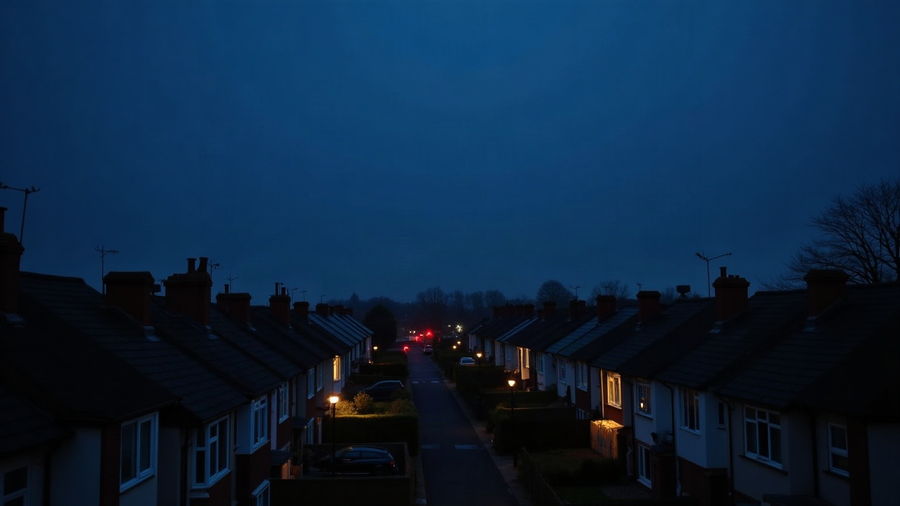
Illustrative photographs of roofing work in general. Not photographs of jobs arranged through this site.
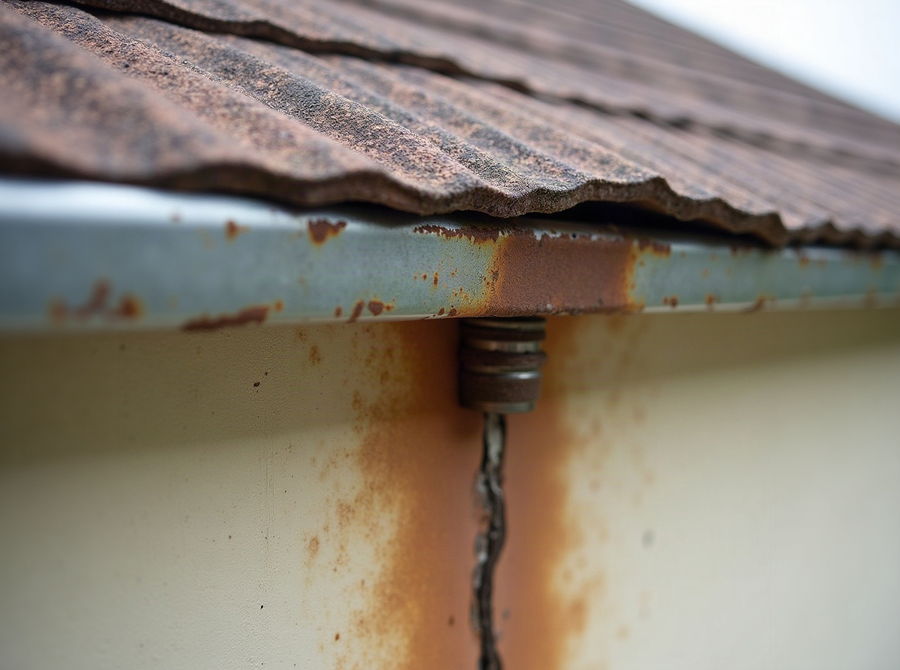
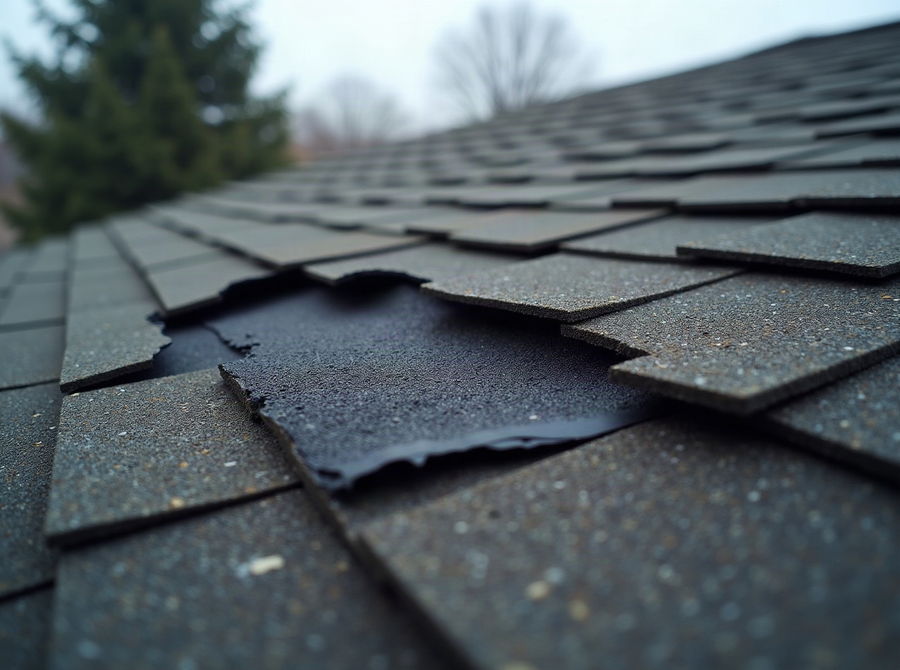
Illustrative photographs of roofing work in general. Not photographs of jobs arranged through this site.
Offshore wind events
They also drive ember risk, which is why vent screening and Class A assemblies matter more here than the colour of the covering.
Marine layer damp and slow drying
Slopes that never get direct sun stay wet for hours after the fog burns off, and that is where moss, lifted shingles and soft decking start.
Ember and wildfire exposure
Most houses lost to wildfire are lost to embers arriving ahead of the fire, not to the fire itself.
Ready for a real number?
Free, no obligation, and your details go to no company until you say yes.